4th Year | Fall 2025 | ARCH 557 | Professor Maged Guerguis | 2106 Andy Holt Ave, Knoxville, TN 37996 | University of Tennessee, Knoxville
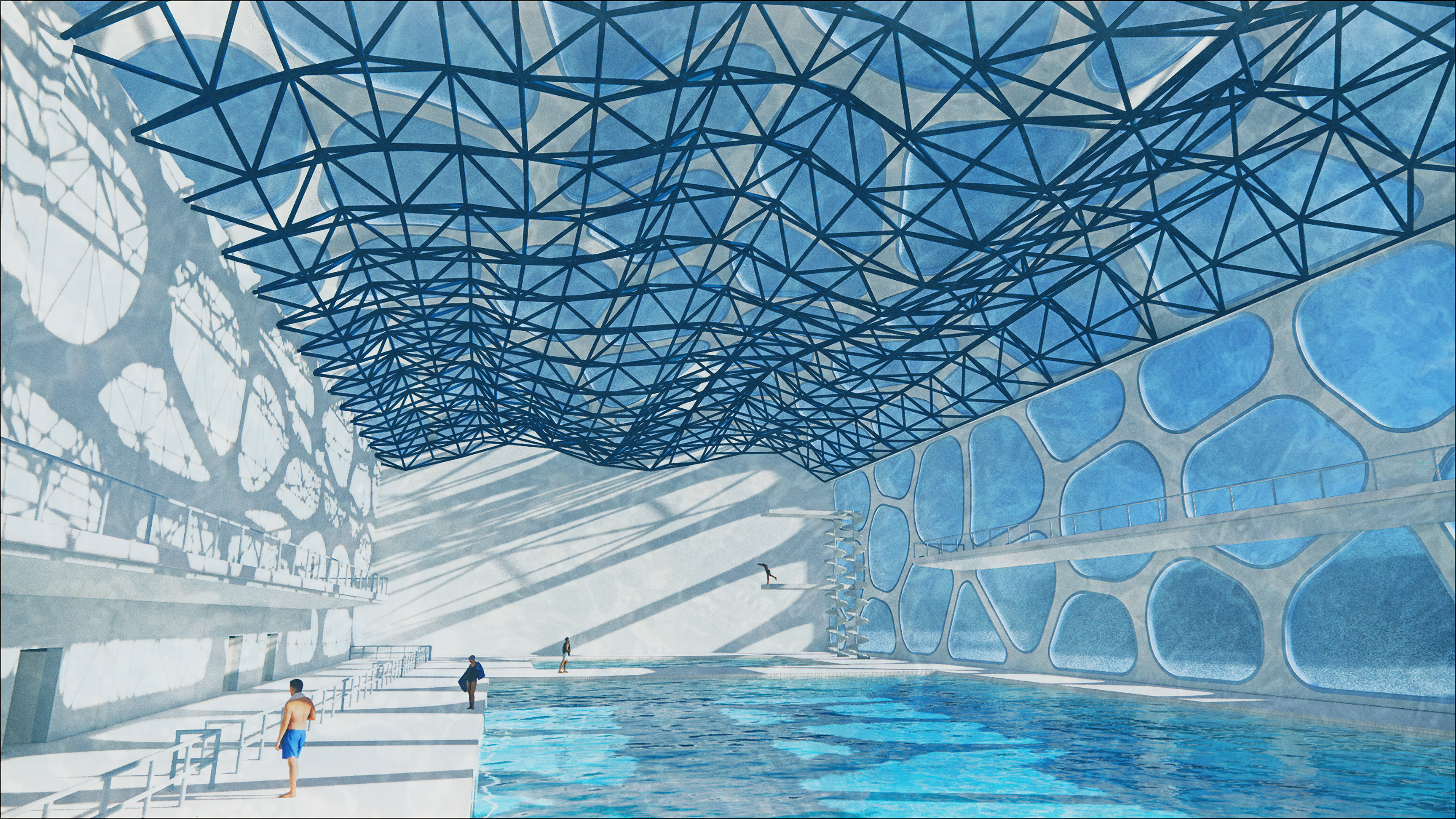
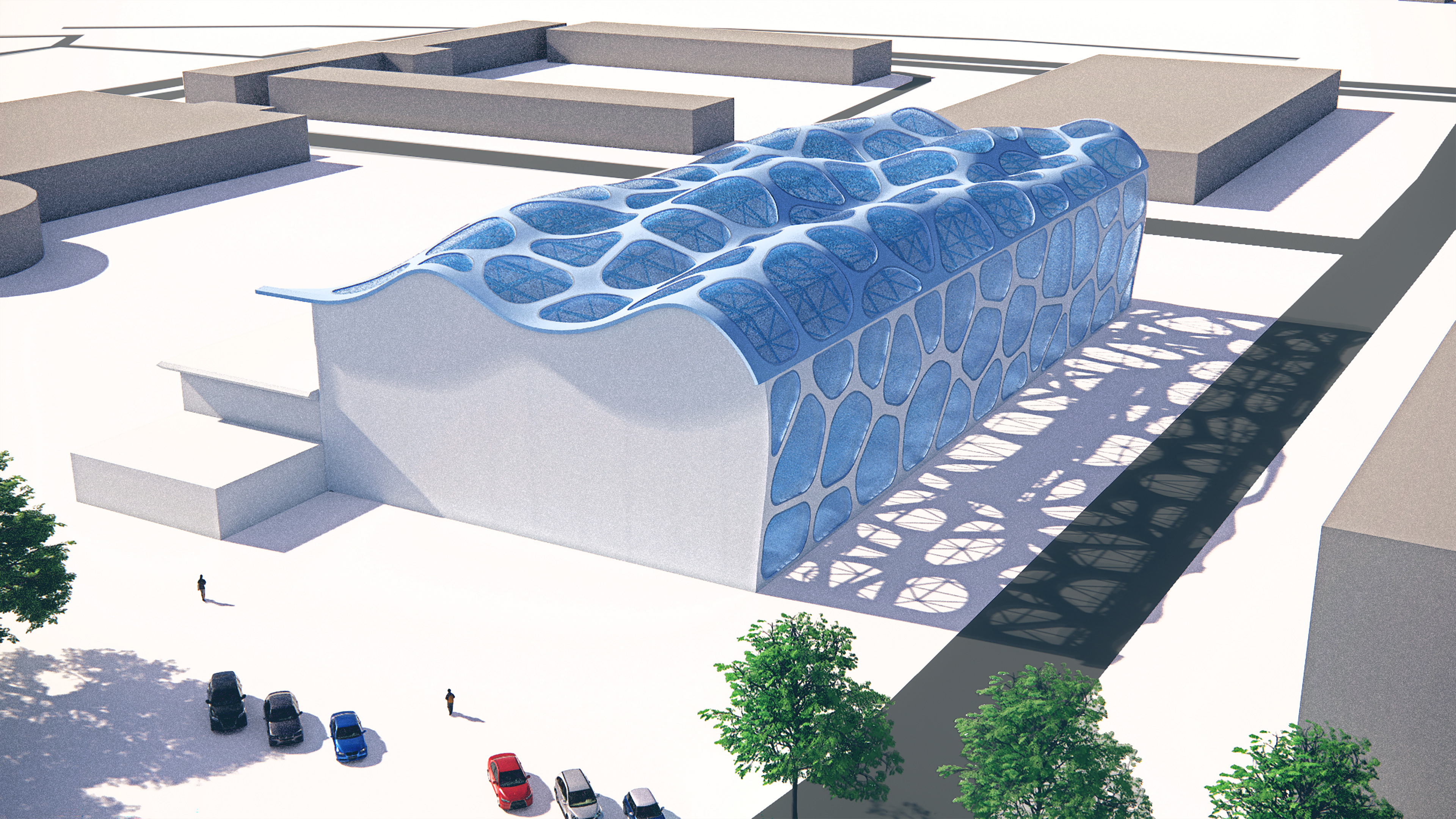
Full Immersion is a proposed reimagining of the UTK Student Aquatic Center’s structural design through the sensation of being immersed underwater. This idea of an underwater immersive experience, informed by the structural design of the building, is achieved through wave forms and skylights mimicking movement and refracted light underwater. Through the concept, the UTK Student Aquatic Center transforms into an immersive experience, blurring the line between structure, environment, and embodied sensation.
Precedent
The building’s structural methodology draws inspiration from Zaha Hadid’s London Aquatics Centre and its hybrid form-active shell and vector-active space frame systems. Using a form-active shell system establishes the wave-like geometry, allowing loads to be distributed throughout the curved form while maintaining its fluid character. Underneath the shell system, a lightweight, robust vector-active space frame system acts as a secondary structural element to the building. This hybrid system proved to be the ideal method for achieving this concept.
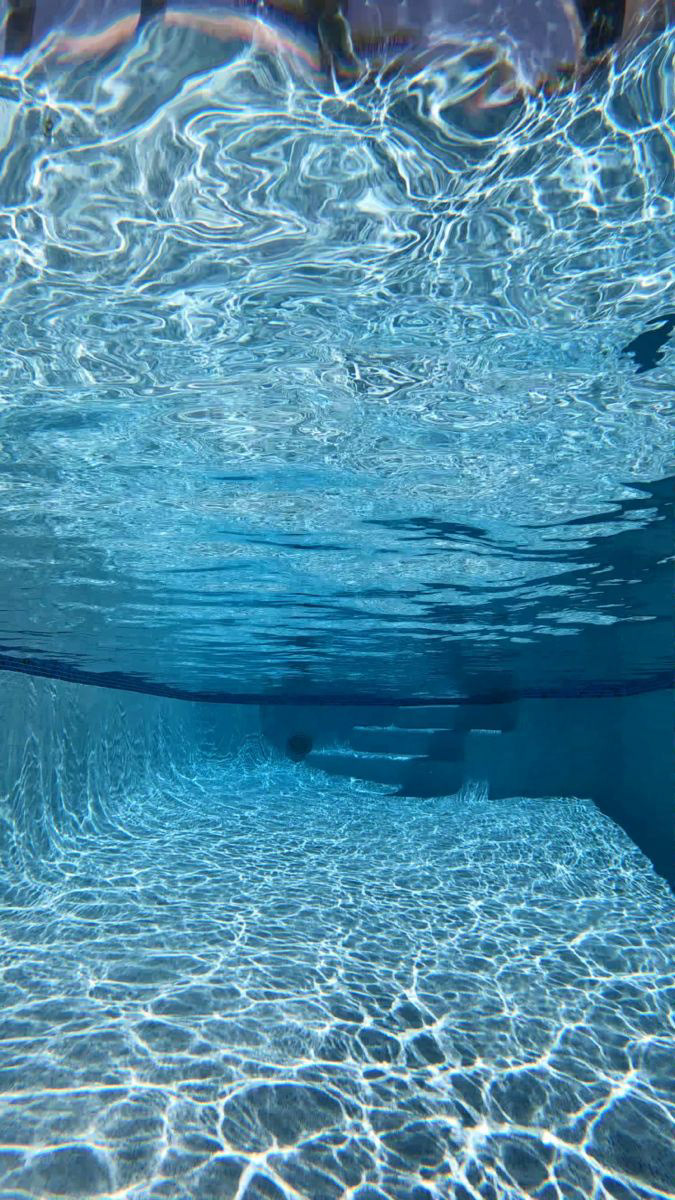
Underwater concept image 1 (Pinterest)
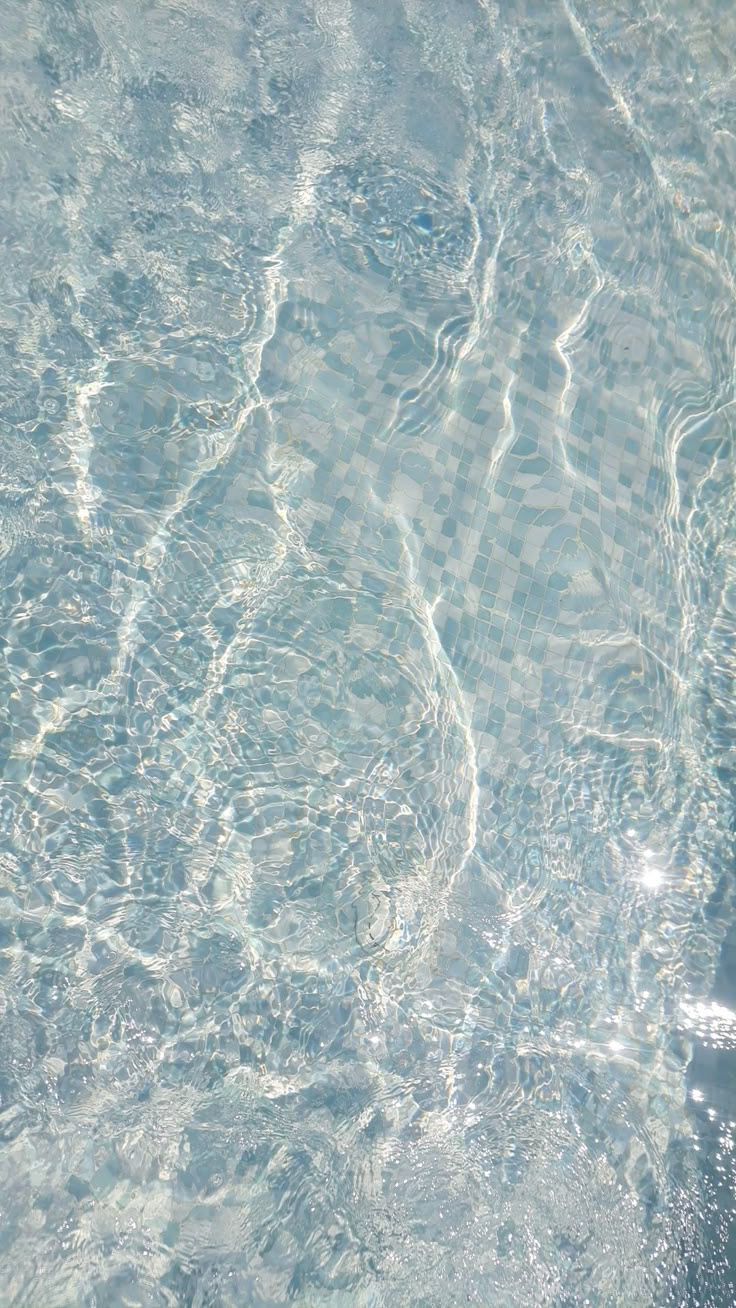
Underwater concept image 2 (Pinterest)
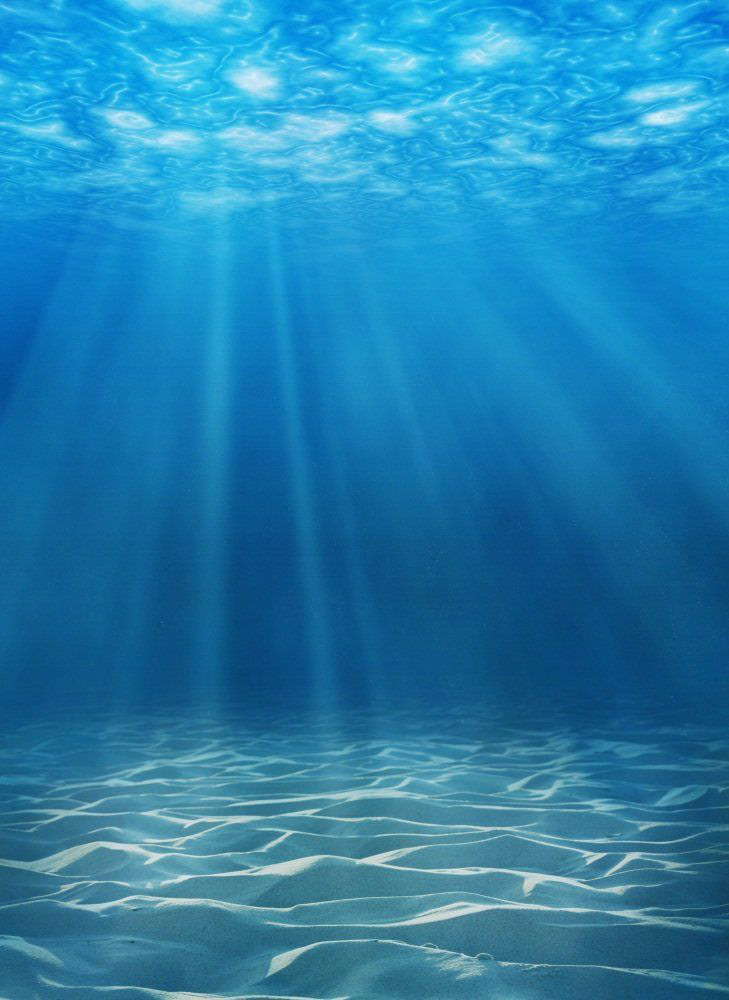
Underwater concept image 3 (Pinterest)
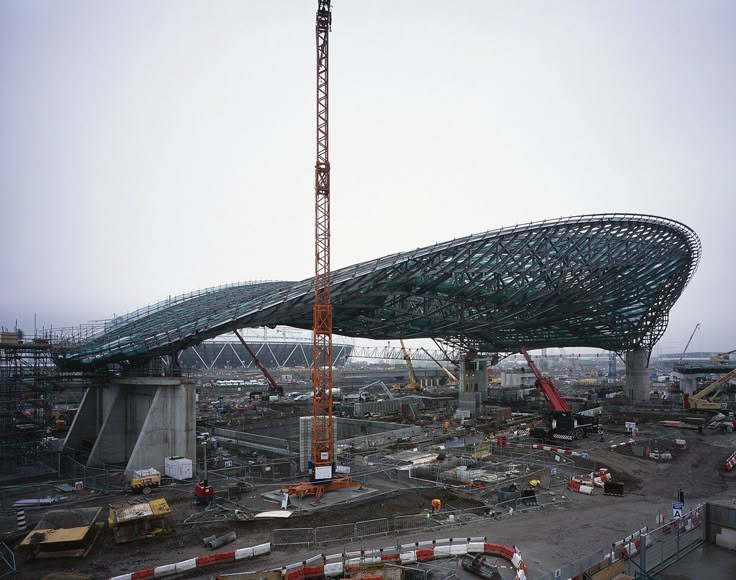
London Aquatics Centre (Zaha Hadid, 2012) Vector-Active Space Frame Truss Structure Construction
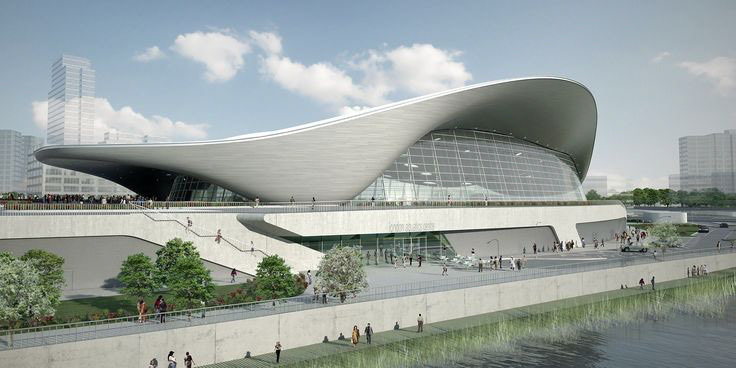
London Aquatics Centre (Zaha Hadid, 2012) Exterior Form-Active Shell Structure
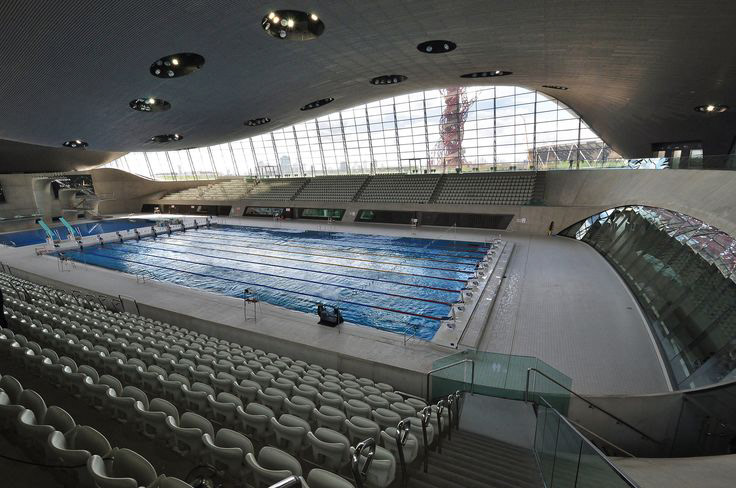
London Aquatics Centre (Zaha Hadid, 2012) Interior Form-Active Shell Structure
Structural Analysis
To achieve the wave-like forms within this building’s structural design, experimentation using Grasshopper and Karamba was conducted. Through several experiments, using Voronoi forms applied to a waved surface created a dynamic concrete structure that acts as a secondary system and informs the steel space frame’s orientation. Using Karamba, this analytical structural model of the steel space frame truss system visualizes axial force distribution within the structural system, identifying randomized load paths and areas of compression (red) and tensile (blue) stress across the roof. The results of the analysis confirms the efficiency of load to perimeter supports, reducing deflection and bending as well as ensuring overall structural stability.
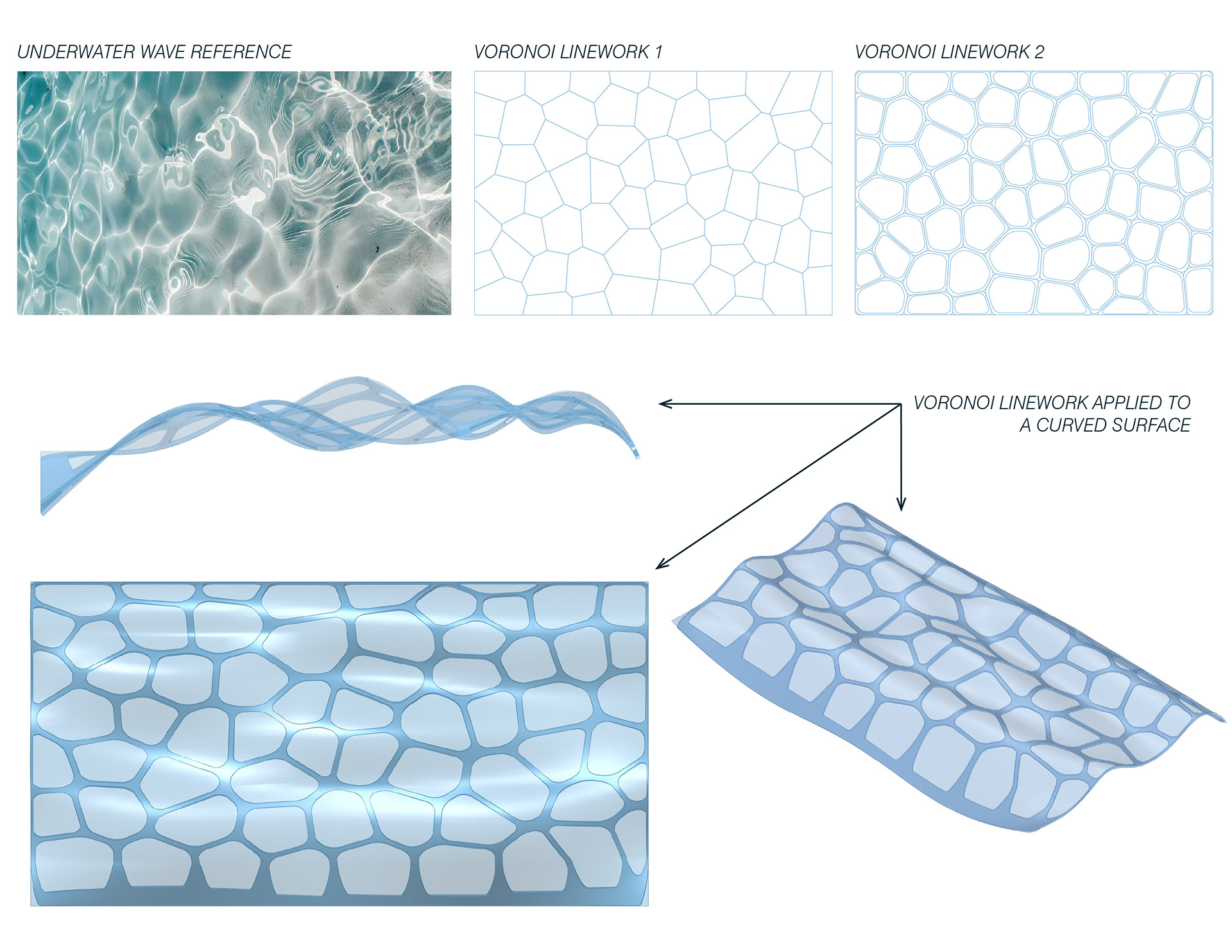
Voronoi Wave Shell Structure Experimentation
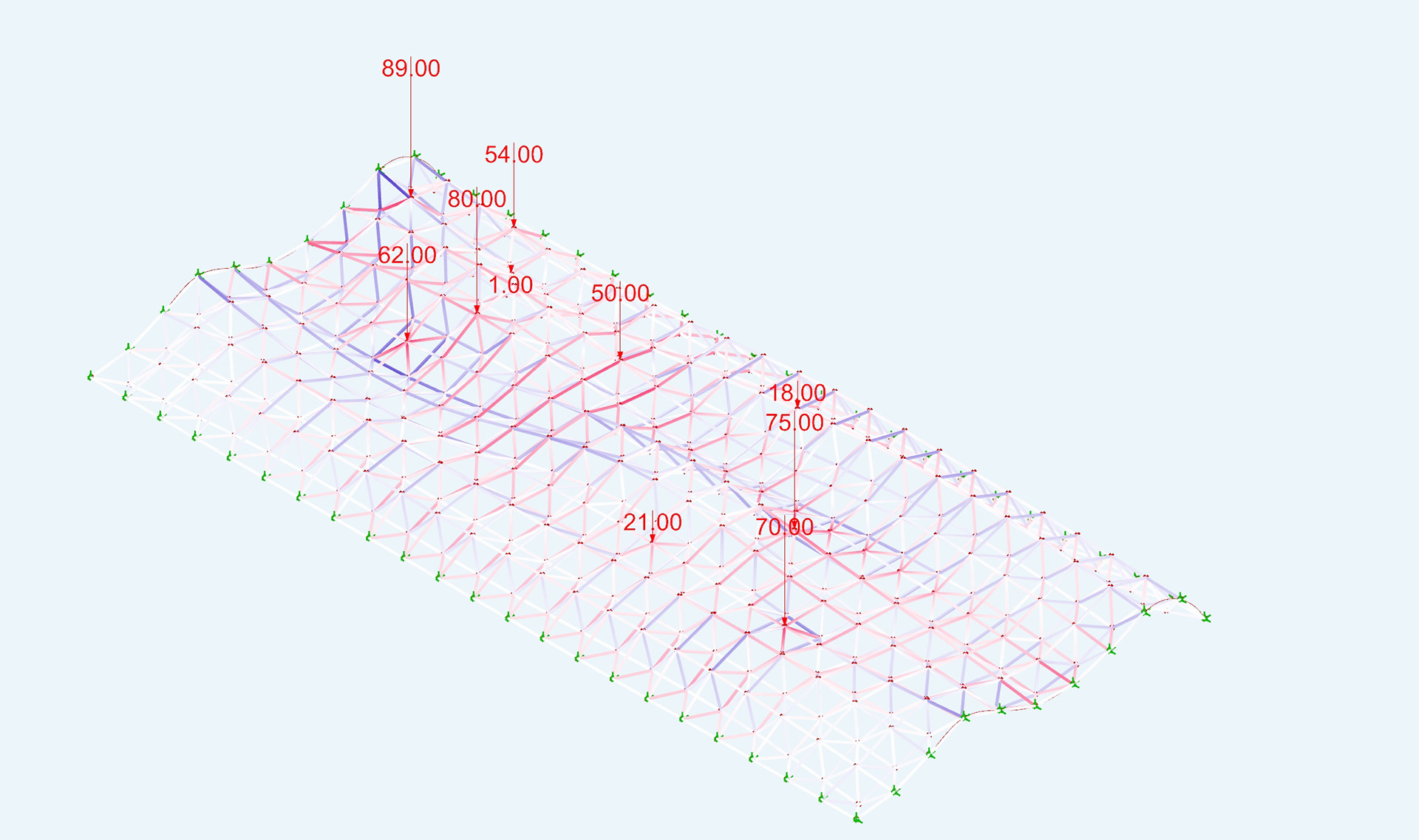
Analytical Structural Model of the Space Frame Truss Structural System using Karamba3D
An exploded axonometric diagram was created to illustrate the connection between the hybrid vector- and form-active structural systems in this aquatic center's design. A combination of column supports and steel bearing plate anchors extending from the curved Voronoi wall acted as the new supports for this re-envisioned structure. Voronoi openings defined locations where blue frosted glass could be installed for reflecting underwater light imagery.
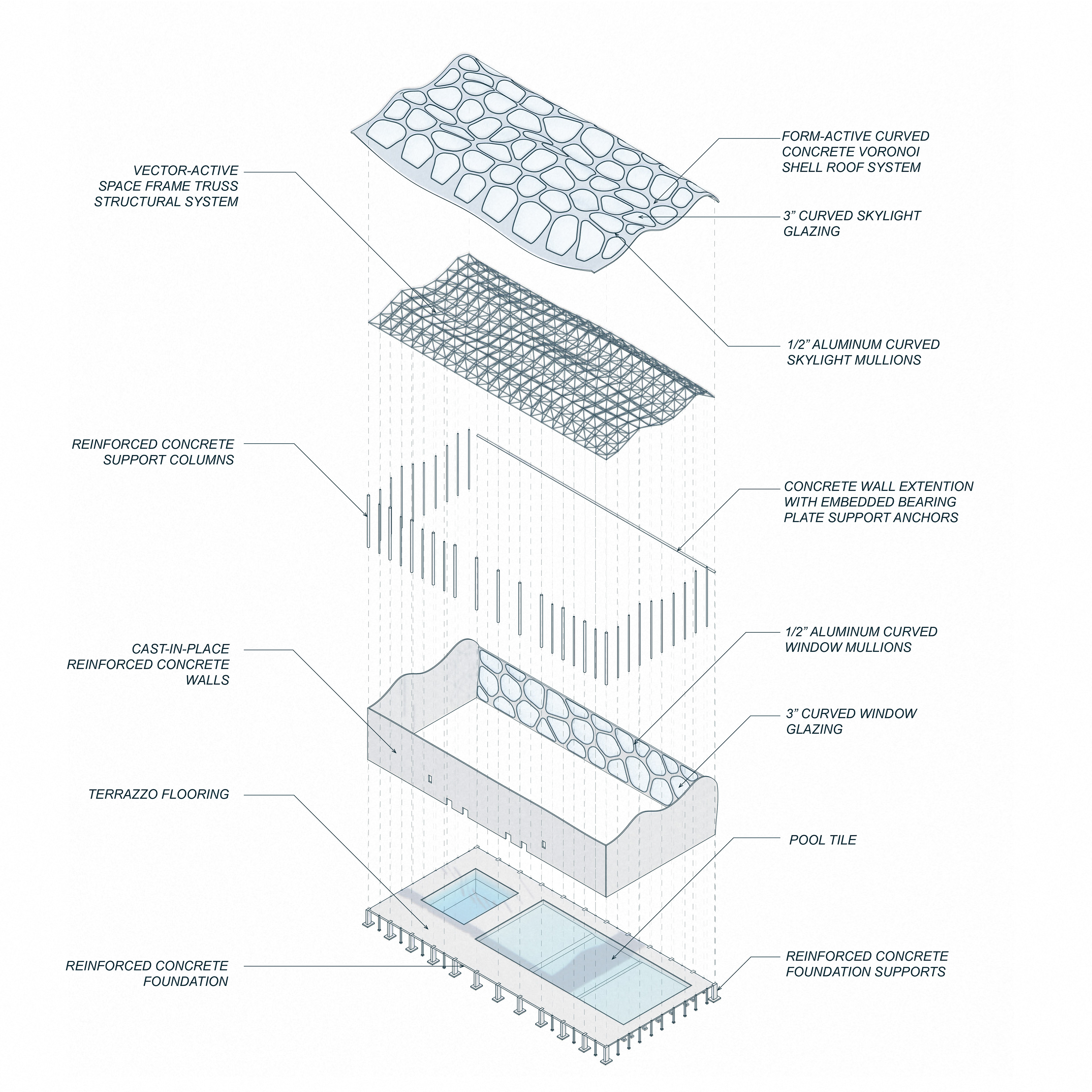
Schematic Design
Site plan, southeast exterior elevation, and northwest section perspective drawings are shown below, illustrating the schematic design execution of this re-envisioned student aquatics center on the University of Tennessee campus. The vector-active space frame truss and form-active Voronoi shell structural systems work together to form the desired fully immersive underwater experience on the interior of the aquatic center.
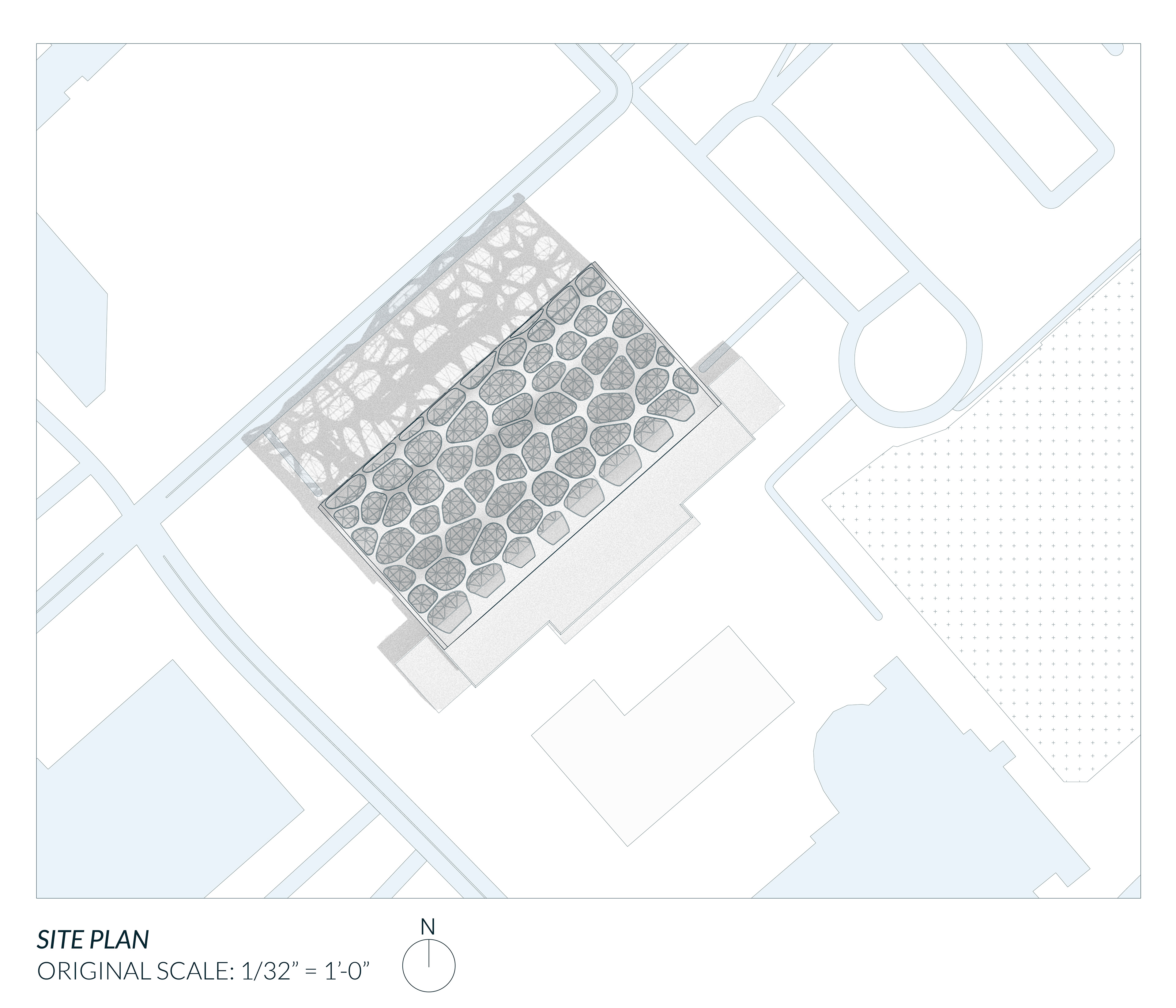
Site Plan Drawing
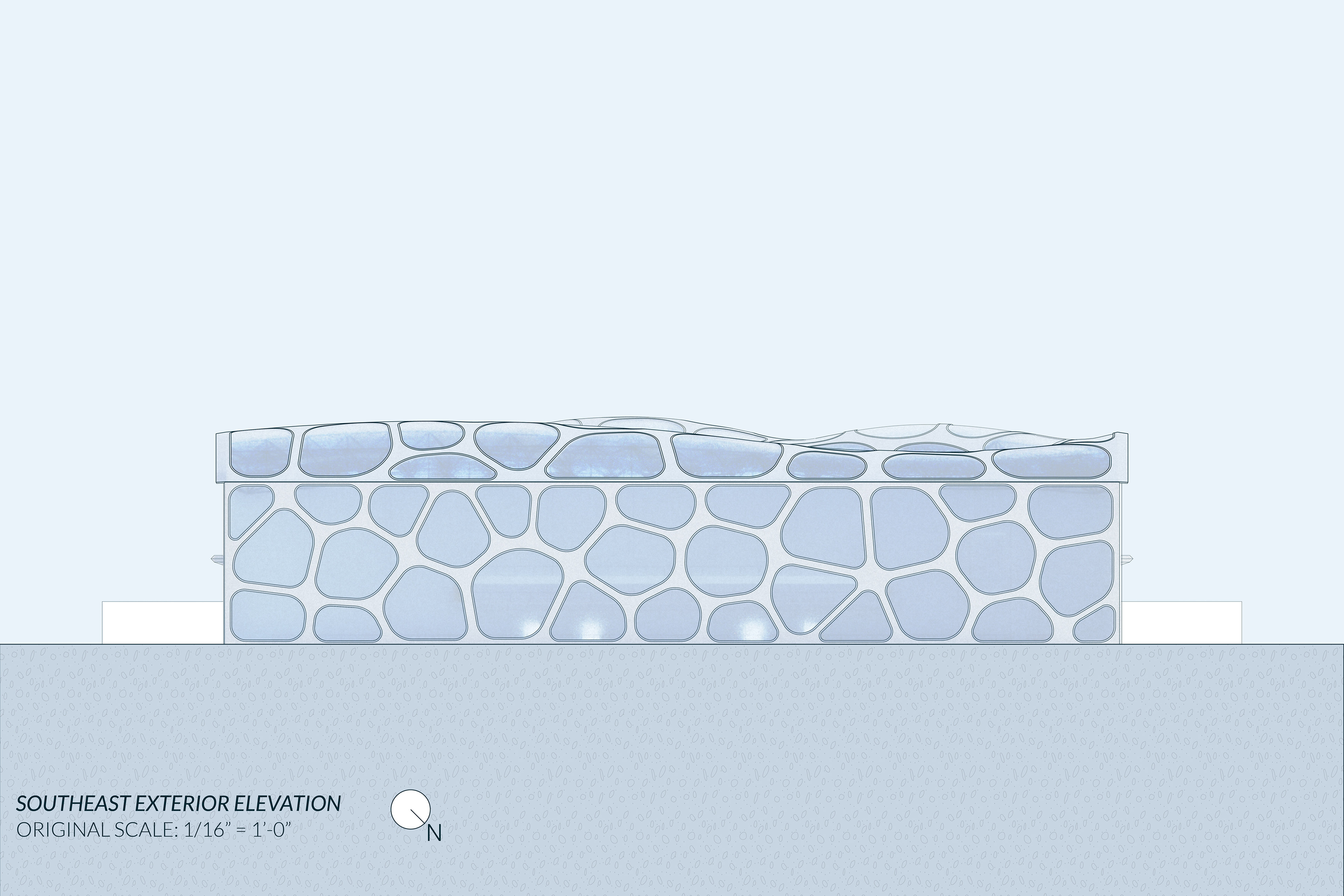
Southeast Exterior Elevation Drawing
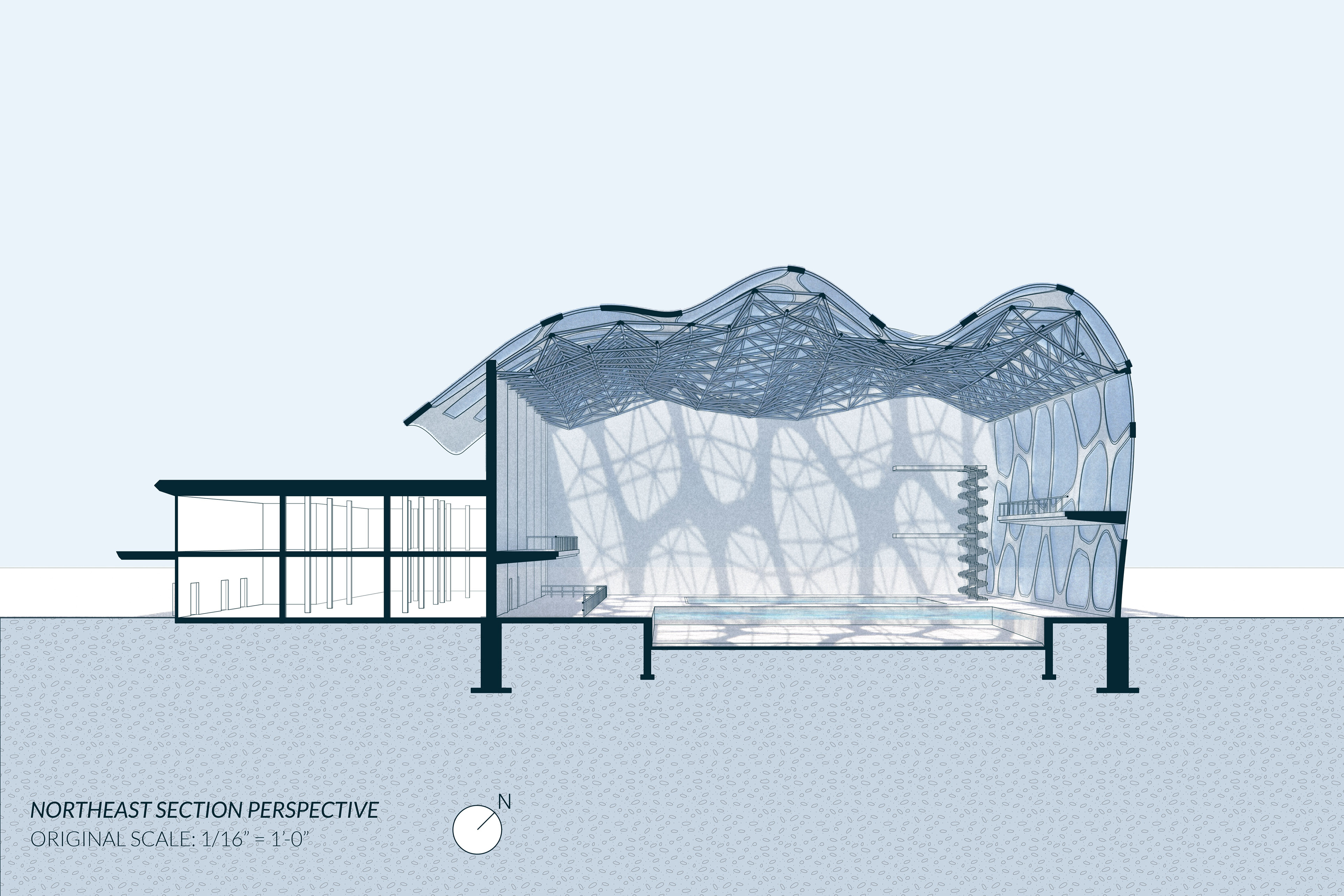
Northeast Section Perspective Drawing